
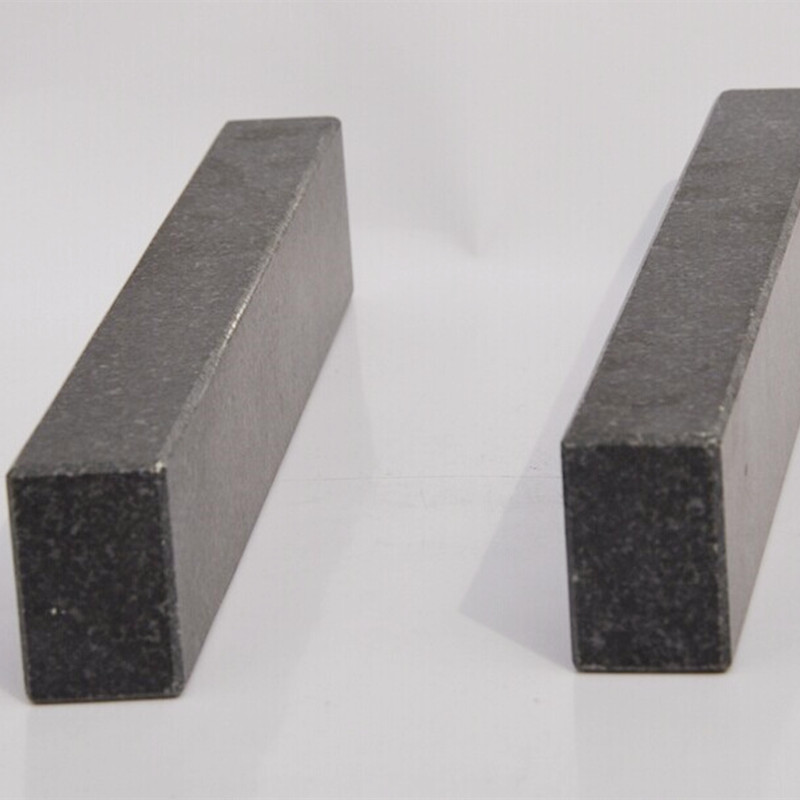
glass panel cost
Understanding Special Thread Gages Ensuring Precision in Thread Measurement In the realm of manufacturing and engineering, precision is not merely a goal; it is a necessity. When it comes to threaded components, ensuring accurate dimensions and pitch is crucial for the assembly and functionality of mechanical systems. This is where special thread gages come into play. These sophisticated tools are designed to measure the dimensions of threads with utmost precision, helping manufacturers maintain the high standards required for quality control. What are Special Thread Gages? Special thread gages are tools specifically designed for the measurement of threads on bolts, nuts, screws, and other threaded components. Unlike standard thread gages, which are often limited to measuring common thread types and profiles, special thread gages can be customized or tailored to accommodate unique thread specifications. These gages can measure various parameters, including thread pitch, major diameter, minor diameter, and thread angle. Types of Special Thread Gages There are several types of special thread gages, each serving a distinct purpose. Common types include 1. Plain Gages These are simple in design and are typically used to check the basic dimensions of a thread . They can be customized for specific diameters and pitches. 2. Go/No-Go Gages These gages come in sets that determine whether a thread fits within acceptable tolerances. The “Go” part indicates a perfect fit, while the “No-Go” piece ensures that the thread does not exceed the maximum limits. 3. Thread Plug Gages Used for internal threads, these gages are inserted into a threaded hole to check for compliance with specified dimensions. special thread gages 4. Ring Gages Contrarily, ring gages are designed for external threads and fit over the threaded component to evaluate its dimensions accurately. 5. Special Profile Gages For threads that do not conform to standard profiles such as trapezoidal or round threads, special profile gages are manufactured. These gages often require advanced design considerations to match the specific angle and pitch accurately. Applications of Special Thread Gages The applications for special thread gages span a wide range of industries, including automotive, aerospace, and manufacturing. In the automotive industry, for example, the reliability of threaded components is critical for safety and performance features. Aerospace applications demand even stricter tolerances, where failure could result in catastrophic consequences. Therefore, the precision provided by special thread gages is indispensable. Additionally, industries that manufacture custom fasteners or components often require specialized gages to ensure that their products meet the precise specifications demanded by their clients. This requirement may arise from evolving technologies or unique design requests. The Importance of Regular Calibration To maintain accuracy, it is crucial that special thread gages undergo regular calibration. Over time, any tool may experience wear and tear, which can impact measurement precision. Implementing a routine calibration schedule ensures that these gages consistently deliver reliable results, thereby upholding quality assurance standards. Conclusion Special thread gages play an essential role in the manufacturing landscape by ensuring that threaded components meet strict dimensional tolerances. With their ability to measure a wide array of thread specifications, they are vital for quality control in various industries. As technology advances and thread designs continue to evolve, the importance of these specialized tools will only grow. By utilizing special thread gages, manufacturers can enhance product reliability and contribute to the overall safety and effectiveness of mechanical systems.
about
glass panel cost
Rebar stands for concrete reinforcement bar, also known as reinforcing steel or reinforcement steel. It plays a crucial role in the construction industry, providing strength and stability to concrete structures. The use of rebar in concrete construction has been essential for centuries, dating back to ancient civilizations such as the Romans who built impressive structures like the Pantheon with the help of reinforced concrete. Rebar is typically made of steel and comes in various shapes and sizes depending on the specific requirements of the construction project. It is designed to withstand tension forces in concrete, preventing cracks and ensuring the durability of the structure. Without rebar, concrete would be prone to cracking and collapsing under pressure, making it unsuitable for many construction applications. In a typical construction project, rebar is placed within the concrete formwork before the concrete is poured. The rebar grid is carefully designed and positioned to provide the necessary structural support for the concrete. Once the concrete is cured, the rebar becomes embedded within the concrete, forming a strong bond that enhances the overall strength and integrity of the structure. The use of rebar allows for the construction of larger and more complex structures that would not be possible with plain concrete alone. Skyscrapers, bridges, dams, and highways are just a few examples of the types of structures that rely on rebar for stability and longevity. The versatility of rebar makes it an essential component in a wide range of construction projects, from residential buildings to industrial facilities The versatility of rebar makes it an essential component in a wide range of construction projects, from residential buildings to industrial facilities The versatility of rebar makes it an essential component in a wide range of construction projects, from residential buildings to industrial facilities The versatility of rebar makes it an essential component in a wide range of construction projects, from residential buildings to industrial facilities rebar stands for concrete . In addition to providing structural support, rebar also helps to minimize the environmental impact of construction projects. By reinforcing concrete with steel, builders can reduce the amount of material needed for a given structure, resulting in less waste and a more sustainable construction process. Rebar can also be recycled and reused, further reducing the carbon footprint of construction projects. As technology advances, new types of rebar are being developed to meet the evolving needs of the construction industry. Fiberglass rebar, for example, offers a lightweight and corrosion-resistant alternative to traditional steel rebar. Carbon fiber rebar is another innovative option that provides high strength and durability while also being lightweight and non-corrosive. In conclusion, rebar stands for concrete reinforcement bar and plays a critical role in the construction industry. By providing strength, stability, and durability to concrete structures, rebar enables the construction of safe and reliable buildings and infrastructure. As construction practices continue to evolve, rebar will remain an essential component in the development of sustainable and resilient structures for the future.
-

High quality industrial productsagement

High quality industrial products
View Details -

Meet the diverse needs of customers

Meet the diverse needs of customers
View Details -

Strict quality control

Strict quality control
View Details -

Top raw materials

Top raw materials
View Details -

Trusted supplier

Trusted supplier
View Details
Our application


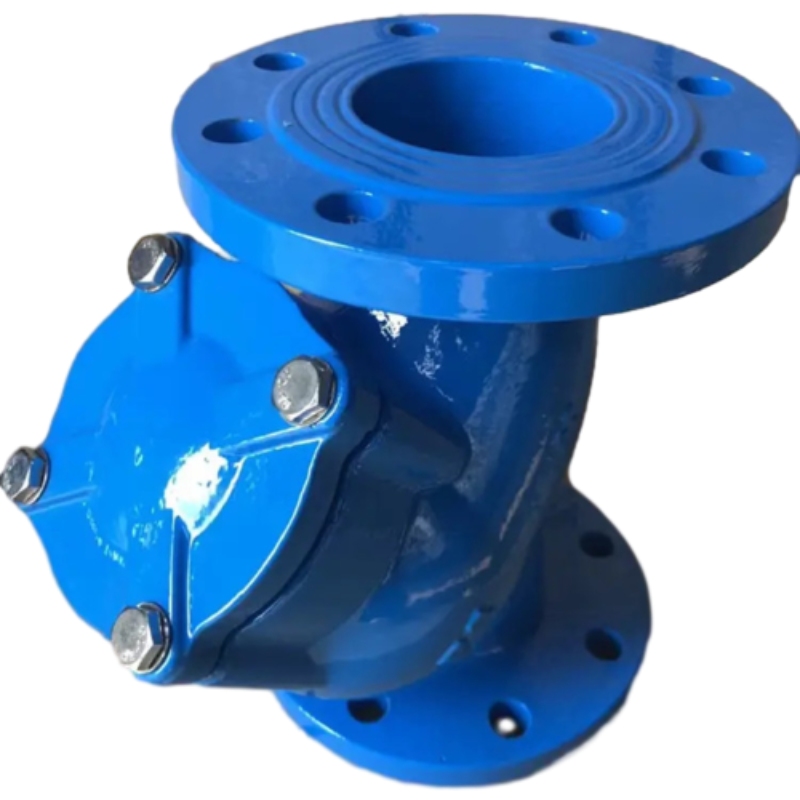

news and information
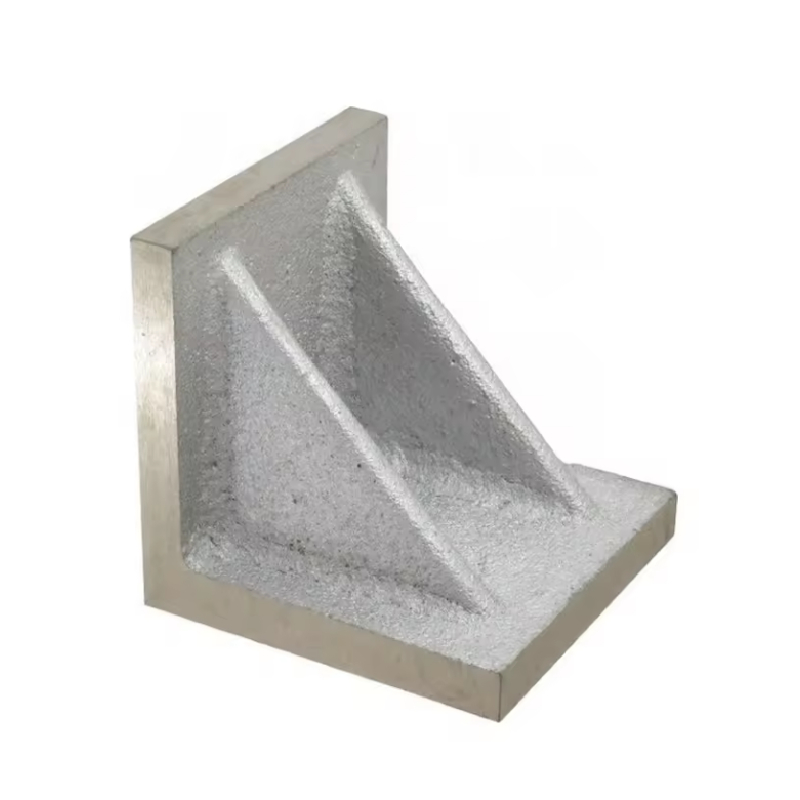
vibration pads
Understanding Vibration Pads A Comprehensive Guide In today’s fast-paced world, where machinery and
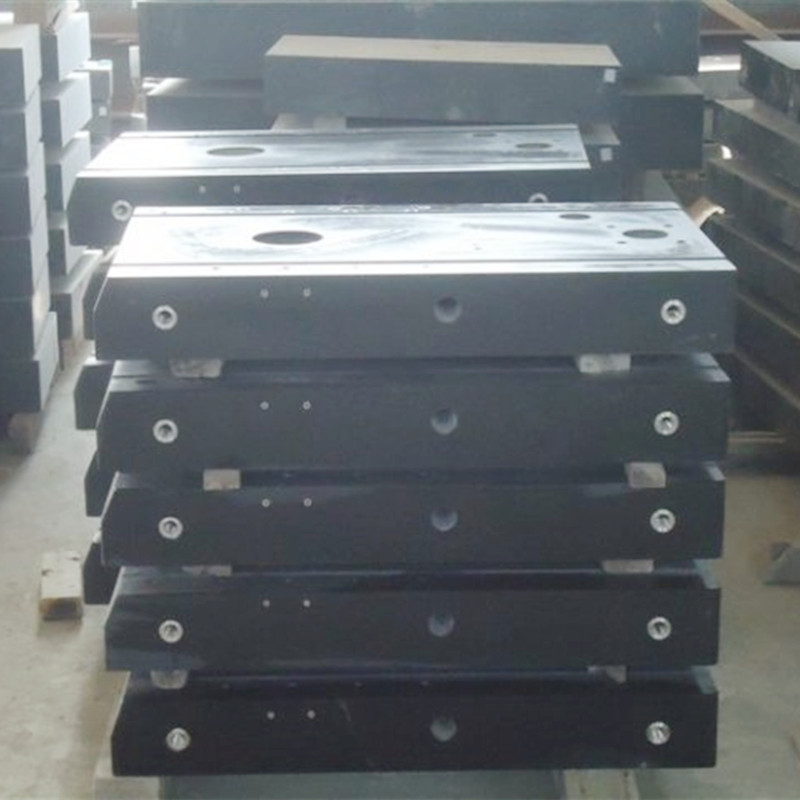
Various Categories of Gate Valves and Their Applications
Different Types of Gate Valves Gate valves are a type of valve that opens by lifting a gate out of t
Wählen Sie Schnappmesser
Der Dial-Snap-Gauge ist ein essenzielles Werkzeug in der Welt der Messtechnik und Qualitätssicherung
 English